Mathematics
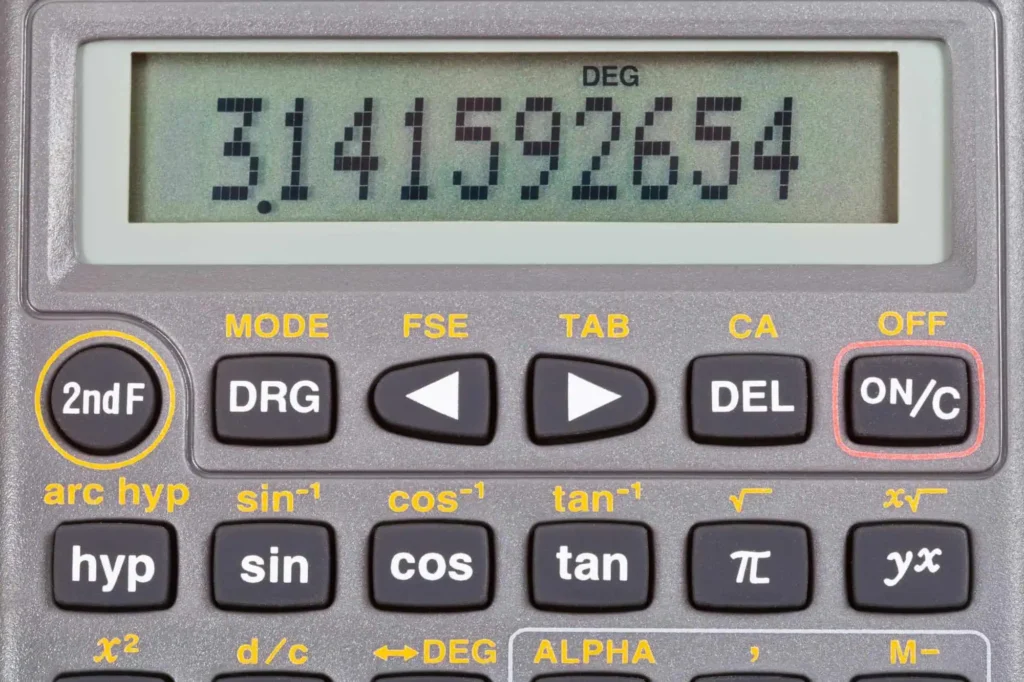
Maths IGCSE extends all the topics that you have studied in Years 7, 8 and 9. The majority of the course covers Number and Algebra (approximately 60%), Geometry is approximately 25% and Statistics approximately 15%.
What can IGCSE Mathematics lead to?
Maths appears in everyday life and even if you do not wish to continue your study of Maths, an employer will want you to be able to be numerate – work out percentages, understand the size of numbers and make sensible estimations. Many A Levels and university degrees will involve maths of some description, for example statistical analysis in Geography, Biology, Psychology and PE.
What skills does the Mathematics course lead to?
IGCSE Maths opens doors to advanced STEM studies, including A Levels. It builds essential logical thinking and data skills required for high-demand careers in engineering, finance, technology, and architecture. Additionally, it secures the mandatory numeracy qualifications needed for university admissions and everyday financial literacy worldwide.
“Maths is the tool that can shape your future and solve tomorrow’s problems.”
Antonia Novello
At a Glance
Exam Board
Edexcel IGCSE Specification A (4MA1)
Assessment
The course is assessed by two, 2-hour exams at the end of Year 11. Any of the content can appear in either of the exams. Both papers allow the use of a calculator.
Head of Department
Ms E Bancroft
Related Subjects
-

Biology
View subject →: BiologyWhy study Biology?
There has never been a more important time to gain a fundamental understanding of Biology. Studying Biology … -

Chemistry
View subject →: ChemistryWhy study Chemistry?
The Chemistry course is engaging, innovative and relevant to everyday life. Learning about Chemistry will help you … -

Computer Science
View subject →: Computer ScienceWhy study Computer Science?
We live in a world where technology is evolving at an unprecedented rate, influencing developments in …