Computer Science
Why study Computer Science?
We live in a world where technology is evolving at an unprecedented rate, influencing developments in everything from medicine and engineering to fashion and media.
This makes computer science one of the most exciting and relevant subject areas that you can study. Whichever route you choose to go down with your career, computer science will undoubtedly shape your world, and a good grasp of the most important concepts and ideas will help you to make the most of these fast-moving trends.
Pupils studying Classical Greek are encouraged to take advantage of some of the many and varied opportunities to contextualise their classroom studies and to extend their appreciation of the ancient world through site visits, theatre trips, reading competitions and classically themed lectures. The LSF Classics Department runs an annual Year 10 Classics trip to London and students of Classical Greek have priority over non-classicists on the biennial overseas LSF Classics trip, previous destinations for which have included Rome and Pompeii, Sicily, Tunisia and Greece.
What does the course involve?
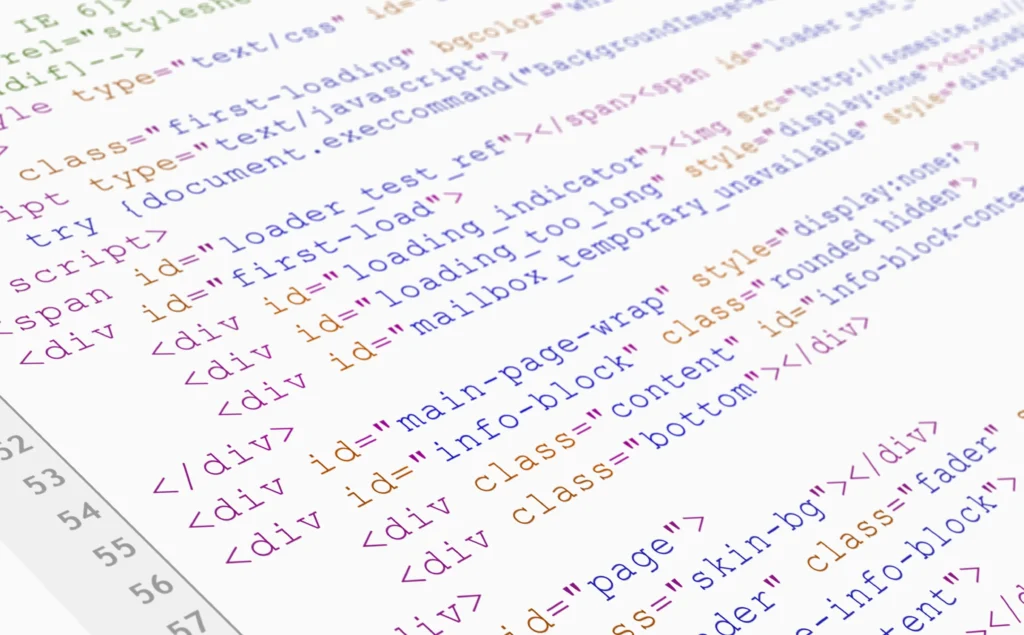
In AQA GCSE Computer Science, pupils dive into the exciting world of coding using Python. Building on the basics learned in Years 8 and 9, pupils enhance their programming skills. The course is a mix of hands-on Python programming, where pupils get to apply what they’ve learned in real projects and understand the essential theories behind computer science. By the end of the course, pupils gain a solid foundation in Python programming and a good grasp of the key concepts in computer science, setting them up for success in the tech-savvy world.
How is the course assessed?
The course is assessed in two parts:
Paper 1 – Programming.
This exam is worth 50% of the GCSE (90 marks, 2 hours) and is a written paper based on practical, code-based scenarios. There will be a mixture of question types, from multiple choice to longer answer style questions. The content of this paper covers Algorithms and Programming.
Paper 2 – Traditional Written Exam
This exam is worth 50% of the GCSE (90 marks, 1 hour 45 minutes) and is a written paper in the traditional sense, based on the theory topics below:
- Computer systems, including computing hardware and the operation of the CPU, memory and storage
- Software types, categories and uses
- Representation of data in computer systems
- Relational databases and structured query language (SQL)
- Networking and the internet
- Cyber security
- Ethical, legal and environmental impacts of digital technology on wider society
What can a GCSE in Computer Science lead to?
Students with qualifications in Computer Science are in high demand, and career options are extensive. In addition to IT, marketing, finance, research and business roles, industries such as fashion, engineering, health, and architecture all rely heavily on IT.
Cyber security, game design, or cutting-edge research into the medical use of AI are all roles which could turn your passion into a career. Many jobs that will exist in 2030 haven’t been invented yet; computer science skills will keep you ahead of the curve.
What skills does the Computer Science course develop?
Computer science explores the principles of digital technology using ‘computational thinking’ methodology and using coding and programming as a core skill throughout the course. This GCSE will challenge you to solve problems in a logical manner and to demonstrate perseverance when the subject becomes more complex. However, it may surprise you to learn that computer science is also an outlet for the more creative among you, and you will undoubtedly get a real buzz out of the creative process using your programming skills. If you have enjoyed using programs like Scratch or Game Design, then you might find that computer science GCSE suits you very well.
“The Analytical Engine weaves algebraic patterns, just as the Jacquard loom weaves flowers and leaves.”
Ada Lovelace
At a Glance
Exam Board
AQA
Assessment
- Paper 1 (Programming): 50%, 2 hours
- Paper 2 (Traditional written exam): 50%, 1 hour 45 minutes
Head of Department
Ms H Benhamouda
Related Subjects
-
Biology
View subject →: BiologyWhy study Biology?
There has never been a more important time to gain a fundamental understanding of Biology. Studying Biology … -

Chemistry
View subject →: ChemistryWhy study Chemistry?
The Chemistry course is engaging, innovative and relevant to everyday life. Learning about Chemistry will help you … -
Food Preparation and Nutrition
View subject →: Food Preparation and NutritionWhy study Food Preparation and Nutrition?
Food Preparation and Nutrition is an engaging course with elements that will allow all …