Women and girls in STEM
The stories of our STEM specialists and students
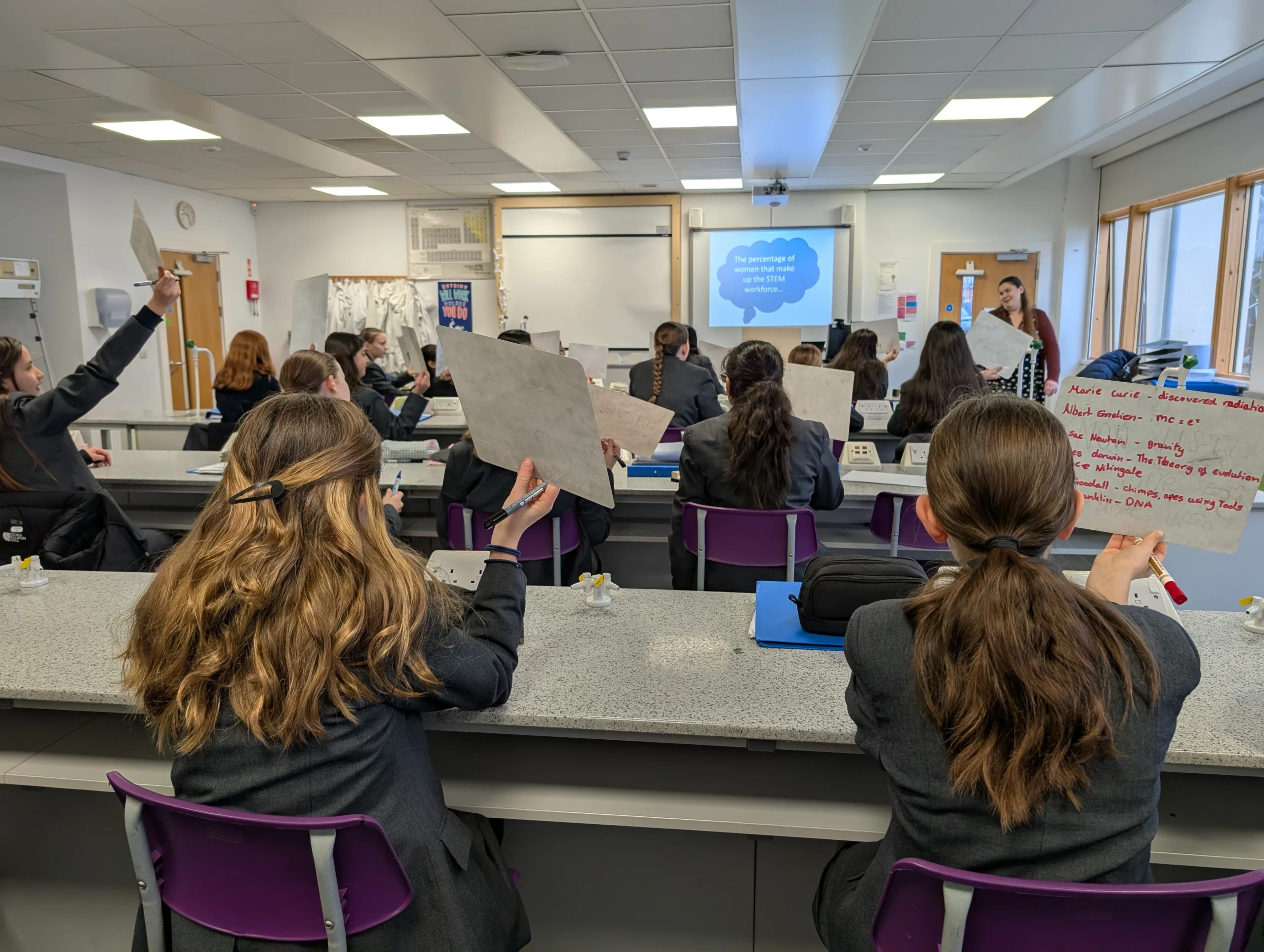
Today, women make up less than one third of the world’s researchers, according to UNESCO. They are particularly under-represented in Science, Technology, Engineering and Maths (STEM) education, making up only 35% of STEM graduates.
If girls grow up repeatedly hearing that logic, problem-solving or technical thinking are somehow more male, it’s not surprising that fewer girls picture themselves belonging in STEM careers, even when their abilities are just as strong. Over time, stereotypes like this quietly steer girls away from futures in STEM.
At LHS, we actively push for a future where girls and women have equal opportunities to learn, lead and innovate in STEM. This year, 71% of our Year 12 students have at least one STEM subject included within their A Level choices. This follows strong A Level results for the 2024-25 academic year, where 56% of students who sat exams in summer 2025 went on to study STEM subjects at university. Chosen courses ranged from Biomedical Science to Mechanical and Electrical Engineering, Computer Science, Medicine and more.
To encourage and support our girls’ aspirations, role models matter. There isn’t one ‘type’ of scientist and there isn’t one correct route into science. Our wonderful Science Department includes staff with degrees in Veterinary Medicine, Chemistry, Biochemistry and Nursing and Applied Physics highlighting just how many pathways there are into an exciting career in STEM. Our subject specialists share their journeys below;
“I studied Chemistry with a Year in Europe (Italy) at Imperial College London and was fortunate to be able to continue with my final year’s undergraduate research project and study for a PhD in Inorganic Chemistry at Imperial. My research group then moved to the University of Oxford and, although I enjoyed academic research, I chose to pursue a career in industry as I was given the opportunity to work as an Applications Chemist and later a Technical Consultant for a global leader in the Chemical, Pharmaceutical and Food sector. In these roles I worked directly with clients to understand their needs and troubleshoot application issues. I gained experience in training and advising a wide range of professionals, from shop-floor staff to senior leadership teams.
During my time in industry, I became increasingly aware of the lack of female representation in STEM careers. This inspired me to move into teaching, with the aim of encouraging young people, particularly girls, to consider and pursue STEM subjects. After completing a graduate training programme in teaching, I joined LHS as a Teacher of Chemistry. I am now Head of Chemistry and am fortunate to work alongside a dedicated and enthusiastic Department, all of whom share a passion for delivering high-quality science education and promoting STEM opportunities for all students.
Within the Chemistry department, we offer a wide range of extracurricular opportunities, including independent research projects leading to CREST Awards, opportunities to present TED-style talks, and participation in the Organic Synthesis Club. We also provide academic extension activities such as Chemistry challenges and the chance to compete in national competitions, including the Chemistry Olympiad, the Schools’ Analyst Competition, and the Chemistry Cambridge Challenge.”
“In 2018–2019, I had the privilege of being the Secondary Science Lead for the Leicester, Leicestershire and North Northamptonshire Science Learning Partnership, part of the national STEM Learning network. This opportunity allowed me to step beyond my own classroom and school to work with teachers and schools across the region to strengthen science teaching and learning.
My work focused on supporting science teachers, technicians, and departments to deliver the very best science education for young people. I led professional development programmes, organised training events, and worked directly with schools to help them improve their science provision. This included analysing local needs, identifying schools that would benefit from targeted support, coordinating high-quality CPD, and collaborating with expert facilitators from across the region.
A particularly rewarding aspect of the role was the opportunity to meet new people, visit many different schools, and see a wide variety of approaches to science education. Every school had its own strengths and ideas, and learning from these different environments helped me grow as a leader and practitioner. Working with teachers from so many backgrounds also allowed me to build meaningful professional relationships and contribute to a supportive, collaborative STEM community.
As a woman in STEM leadership, this role carried a special significance. It allowed me to model to students, especially girls, that science is a place where they belong, where their ideas matter, and where women can lead, influence, and innovate. By working with so many schools and educators, I had the chance to champion diversity in science, promote equitable opportunities, and help create environments where young women feel confident pursuing scientific pathways.
A key part of the role was building partnerships: bringing schools, colleges, and organisations together to create a community of practice that shared expertise and raised aspirations for science education. I also contributed to national STEM priorities, such as supporting Triple Science and encouraging more students, including girls, to consider futures in STEM fields.
Ultimately, the aim of the Science Learning Partnership is to help achieve a world-leading STEM education for all young people, and I’m proud to have played a part in that vision. It was a role rooted in collaboration, leadership, and a belief that high-quality education can change lives. These values continue to inspire my work today, and in my role as Chemistry teacher and Assistant Head at LHS, I am fortunate to be a part of encouraging the next generation of women and girls to see themselves as scientists, innovators, and leaders.”
“I was born in Japan into a family that ran a restaurant business, and even though none of my family members were scientists, I was drawn to biology from a very young age. I was curious about the natural world and wanted to understand how it worked.
Japan has a rich and diverse wildlife but living alongside wildlife can sometimes bring challenges. Conflicts between people and animals are not uncommon, and one debate that particularly interested me when I was at the high school was whether the population of the Japanese serow (Japanese mountain antelope), a species protected by law, should be controlled. This was my first introduction to the idea that science can help guide difficult decisions about conservation and management.
I studied Veterinary Medicine at Nippon Veterinary and Animal Science University and became a veterinarian. I then moved to the United States to study Wildlife Management at Montana State University. There, I learned about scientific population management methods that were already widely accepted and used in conservation. Seeing how science could guide real-world decision making strengthened my desire to work in this field.
After returning to Japan, I joined the Ministry of the Environment, where I worked on the Tsushima Leopard Cat (Prionailurus bengalensis euptilura) species conservation programme. Under Japanese law the Tsushima leopard cat is classified as Critically Endangered and is protected at to a national level. It is included in CITES (a multilateral treaty to protect endangered plants and animals from the threats of international trade) Appendix II, meaning international trade is regulated. My work involved rescue, research, captive breeding and public awareness campaign, and we published the first conservation action plan for the species. This plan brought together many different stakeholders, including local communities, government agencies, zoos, and scientists, in turn the information collected was used to look at population viability and analysis to support short-term and long-term conservation planning.
In 2007, I moved to England to study for an MSc in Conservation Biology at Imperial College London. Like many others, there were times when I had to prioritise my family over my career. Although this meant stepping away from my original field for a while, I joined LHS as a Science Technician in 2022, which allowed me to return to using my scientific skills and experience in a meaningful way.
My career path changed from what I originally intended, but I have learned that this is true for many people, especially women in science. It is not always possible to work exactly where you first imagined, but it is important to keep going, stay curious, and look for opportunities to reconnect with what you are passionate about.
I hope my story shows students—especially girls—that there is no single “right” path into science, and that perseverance and curiosity can open unexpected doors.”
It is not only our staff who act as role models for younger generations of pupils, but also our Sixth Formers who play a large part in showing their peers that futures in STEM are attainable. Year 12 student, Milena, who is currently studying Chemistry, Physics, Maths and Further maths and aspires to study Biomedical Engineering at university, said; “LHS has helped me discover different subjects and find a course that incorporates aspects of both medicine and designing into one. I do DT for enrichment and that teaches me more of the practical side of engineering that I would not be able to do at A Level. As our teachers are subject specialists, they also provide us with exceptional advice for our future.”
“I would like to pursue a career in software engineering. Technology is an industry where things are always changing and constantly evolving, and I think it’s so exciting to have an opportunity to be part of building what actually comes next for the world of technology. I think the main thing that attracts me to software engineering is the fact that I’ll be able to create things that people use every single day and not only create them, but be able to improve them in ways that make them more efficient, more accessible and more reliable for people.
“I’m aware that engineering hasn’t always been an accessible space for women but the fact that it’s becoming more inclusive, motivates me even more to be part of an industry that contributes to that change.”
Tolu, Year 13
We’re proud to see our pupils take a genuine interest in STEM at LHS, whether that’s through joining our Robotics Club in Year 7 or contributing to complex discussions at MedSoc in Year 12. At every stage of our girls’ journey through the High School, they are supported and encouraged to pursue whatever career they aspire to and with inspiring role models surrounding them, they don’t have to look far to learn from a woman who has had an incredible career in STEM.

Going for gold
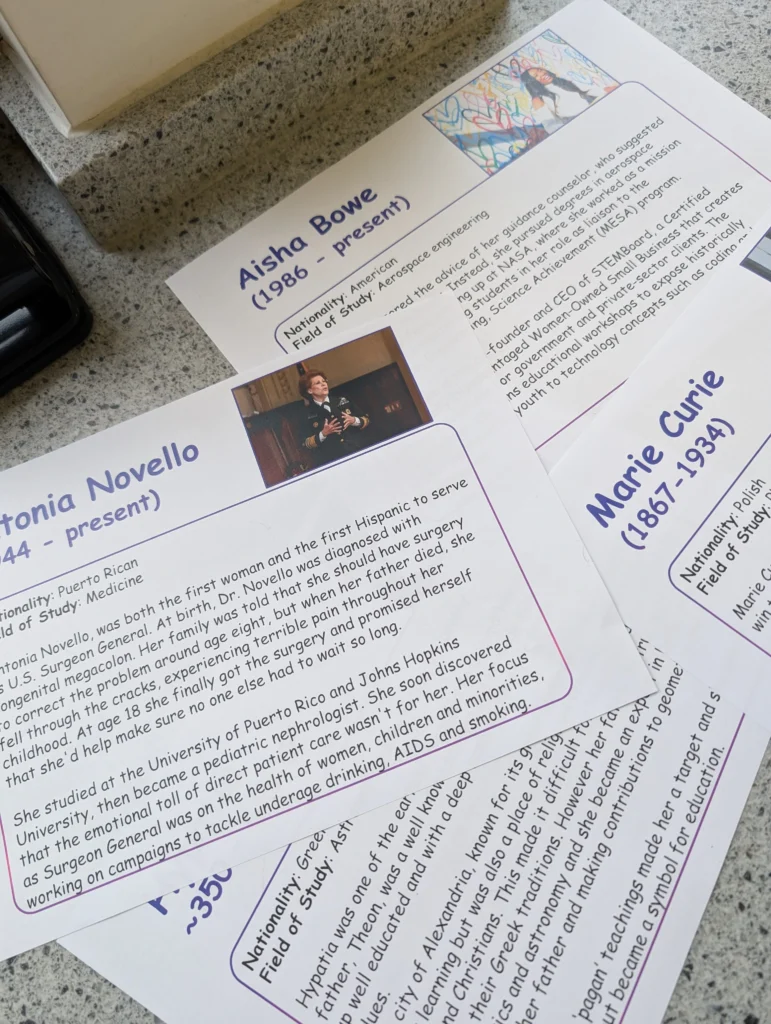
Sports Personality of the Year Award
Each year at the Senior Sports Dinner, one athlete receives the Sports Personality of the Year Award. The award goes to someone who has achieved significant sporting success and the aim of the award is to recognise the wide range of talent in sport at the School. Students are initially nominated for this award by …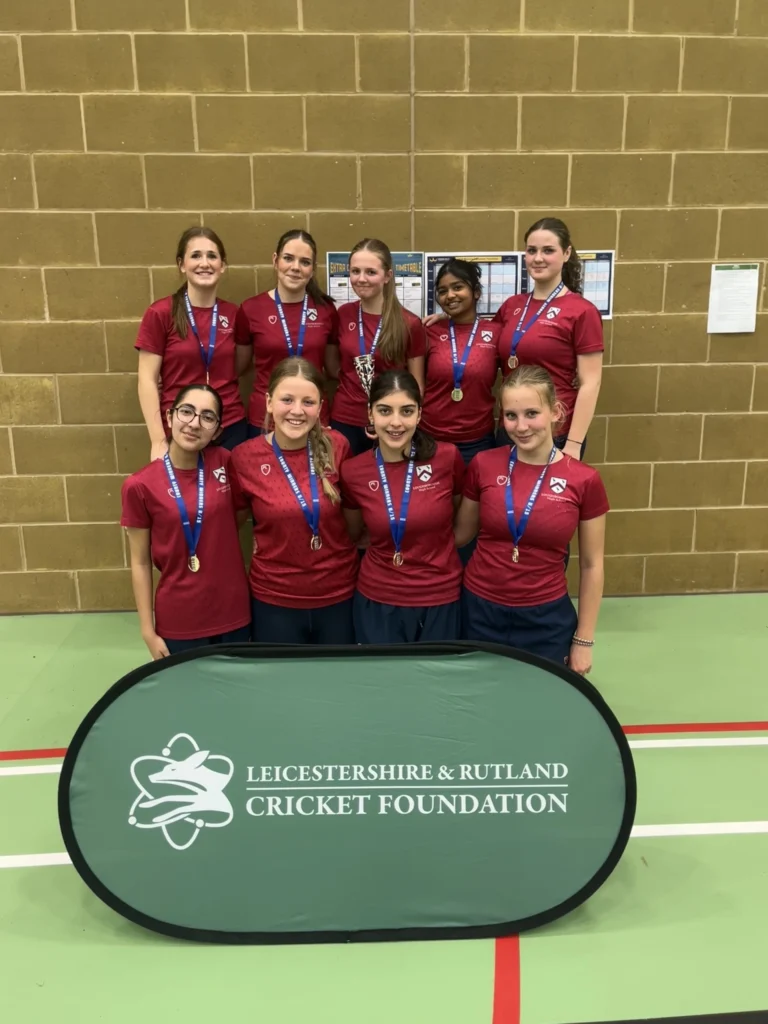
Indoor County Cricket Champions
Celebrating indoor cricket success
Loughborough High School is celebrating a fantastic sporting achievement after the U15 team was crowned Leicestershire Indoor County Cricket champions following an impressive run at the county finals. The competition, held at Crown Hills Community College, saw the girls deliver a series of outstanding performances against strong opposition. In the group …Discover More
Related Pages
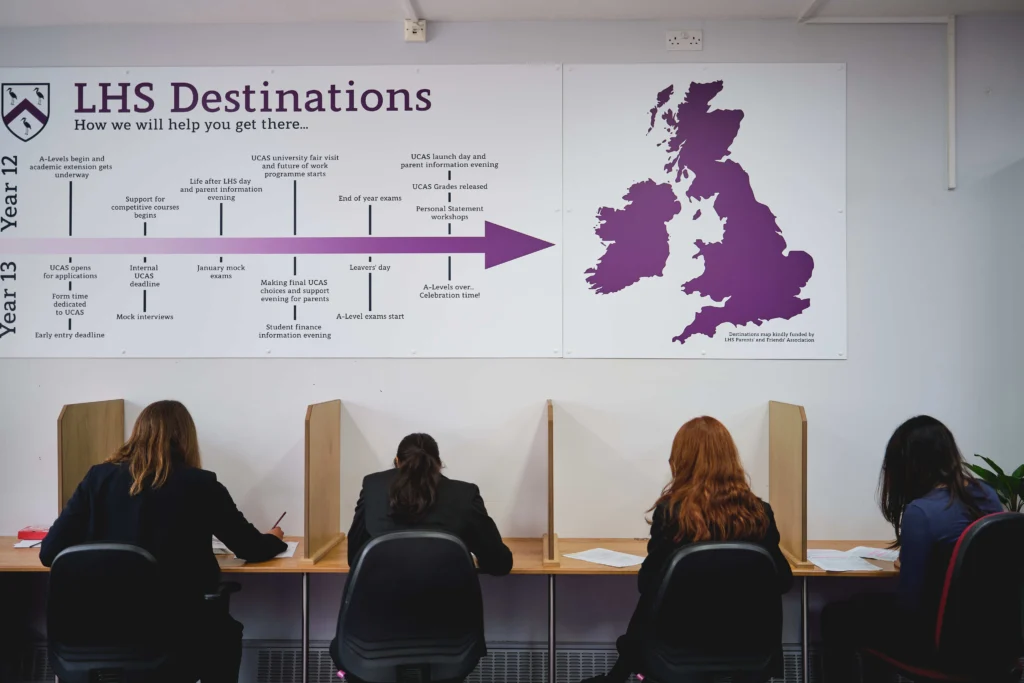
Destinations and futures
Find out more about the support pupils receive to pursue their future aspirations.

Open Morning
Visit us on Saturday 7 March to explore our outstanding facilities and meet our staff and students.
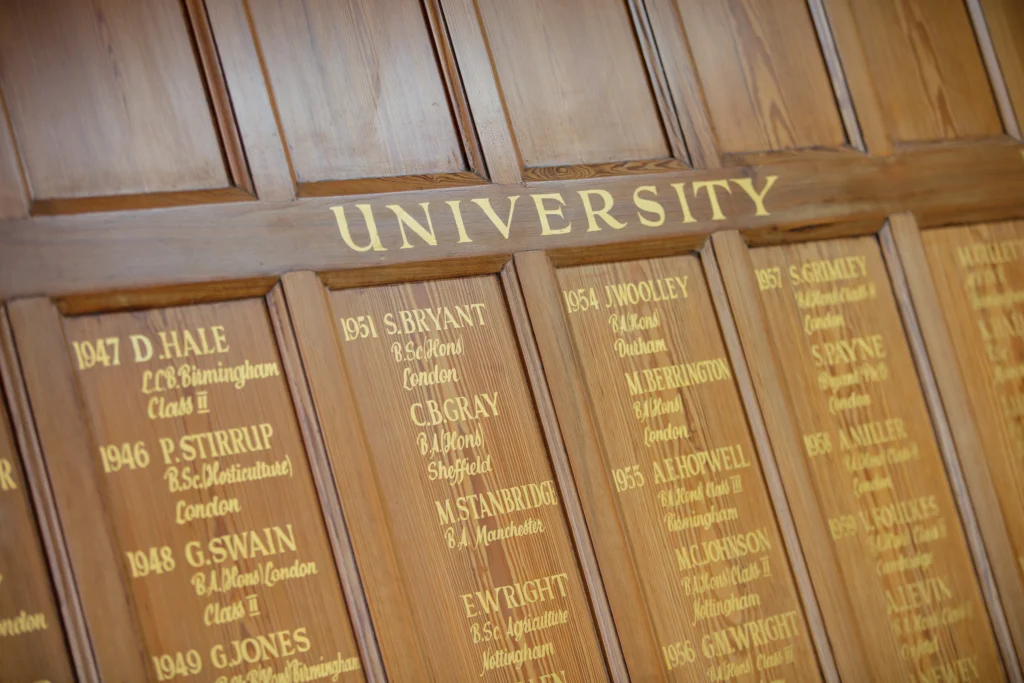
Life after LHS
Choosing where to study after school isn’t just about ticking boxes, it’s about finding the place where each pupil will truly thrive.