French
Why study French?
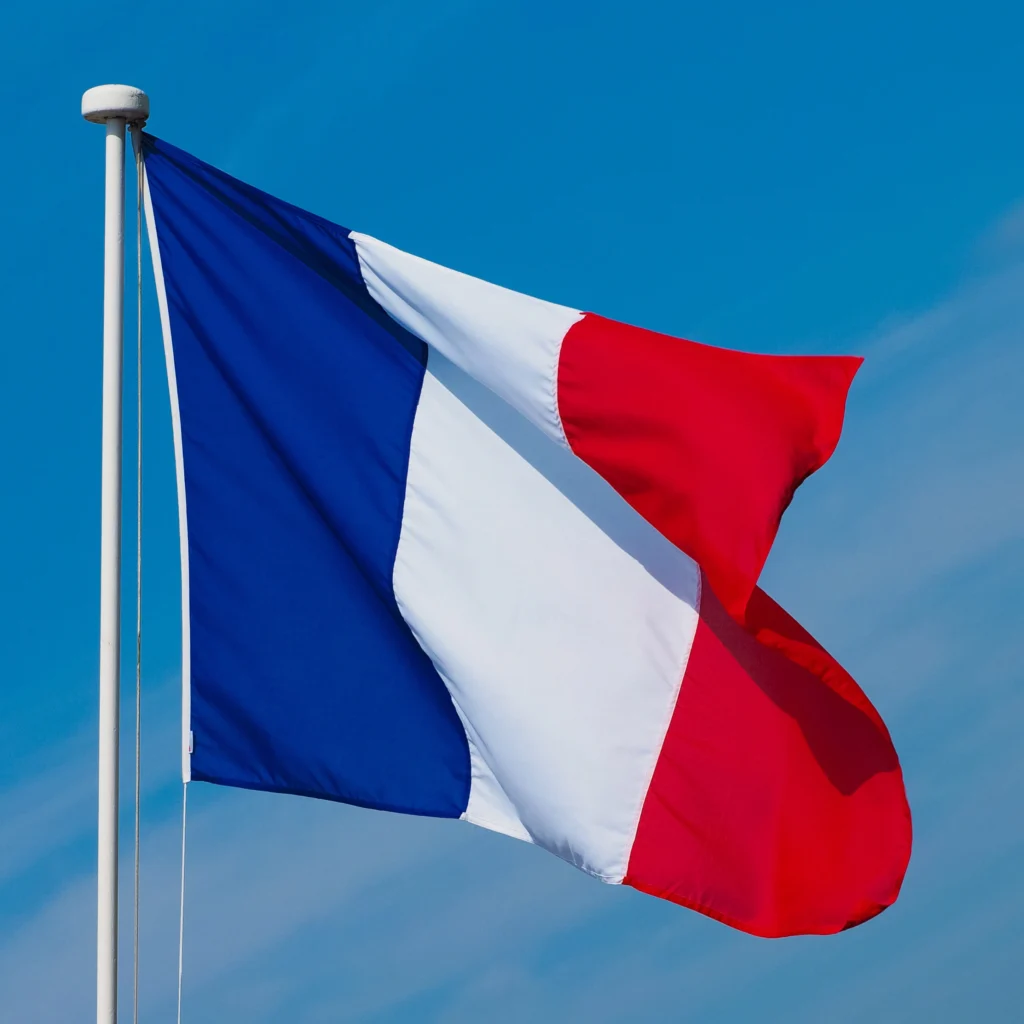
French is a beautiful language that is spoken by more than 300 million people on the five continents, in places as far away as Canada and Africa, and it is therefore one of the most widely studied languages in the world. It is the international language of culture, and a knowledge of French will offer access to the worlds of cooking, fashion, theatre, art and dance, among many others. It is also a language that is widely used in business and international relations. Having a GCSE in a language is a huge advantage in our increasingly international world and it will make you a lot more employable. You will also develop amazing transferable skills that are applicable to almost everything you do. You will improve your memory, your creativity, your listening and communication skills and your self-confidence.
If you chose French as your language in Year 7, you will find that you have already covered a lot of the language you need for GCSE. The learning doesn’t get more difficult in Years 10 and 11, and you will simply continue to build on that language, so that by the end of the course you will have developed a level of fluency that allows you to communicate with native speakers both in speech and in writing. Most of the grammar has been covered in Years 7-9, so you will just be consolidating what you already know.
If you chose French as your language in Year 9 and you are genuinely interested in languages, you could consider taking it at GCSE, either as a second modern language or instead of the language you began in Year 7. If you choose to take two modern languages at GCSE, this will put you in an extremely select élite who are very much in demand. Although you will initially feel less confident in French, keen pupils will find that they can quickly cope with the demands of the GCSE course. If French is your second modern language and you are considering taking it to GCSE, please speak to Mrs Lee first.
You will enjoy interactive lessons with games and activities designed to help you learn the vocabulary and improve your fluency. You will get time each week with a native speaker to concentrate on conversation in addition to your timetabled lessons. You will also have access to online support materials such as Kerboodle. On top of this, there are plenty of exciting activities on offer to help you to develop your skills even further, ranging from the ever-popular visits from the Onatti theatre company to residential trips to France.
What does the course involve?
Theme 1: People and lifestyle
- Identity and relationships with others.
- Healthy living and lifestyle.
- Education and work.
Theme 2: Popular culture
- Free-time activities
- Customs, festivals and celebrations
- Celebrity culture
Theme 3: Communication and the world around us
- Travel and tourism, including places of interest
- Media and technology
- The environment and where people live
How is the course assessed?
At the end of Year 11, you will take four exams, each worth 25% of the overall grade:
- Paper 1: Listening (45 minutes, including 5 minutes reading time)
- Paper 2: Speaking (15 minutes preparation time, then 10-12 minutes of exam)
- Paper 3: Reading (1 hour)
- Paper 4: Writing (1 hour 15 minutes)
What can a GCSE in French lead to?
A GCSE in French can open many doors to you. It is considered a facilitating subject, which means it is a subject that will be looked on favourably by universities no matter what course you wish to study, due to the transferable “soft” skills that you learn during the course. Having a language GCSE will also make you more employable and you could earn more money, whatever job you go on to do.
You will, of course, have the option to continue your study of French to A Level, and if you enjoy languages, you may wish to study them at university and perhaps even make them your career. There are a huge number of industries that use language skills, such as translation and interpreting, journalism and broadcasting, diplomatic services, international business and finance, tourism and hospitality, marketing and sales etc.
What skills does the French course develop?
First and foremost, you will develop your communication skills, as learning a language involves the skills of listening, speaking, reading and writing. You will also develop a number of other skills:
- Learning new vocabulary will help you to improve your memory.
- Analysing grammatical structures will help you to develop your problem-solving
- skills.
- You will develop your creativity, as you will need to be able to think of different and creative ways to express yourself.
- You will develop your multitasking skills as you are required to switch between more than one language.
- You will improve your knowledge of English, as you learn about the grammar of a new language.
“One language sets you in a corridor for life. Two languages open every door along the way.”
Frank Smith
At a Glance
Exam Board
AQA
Assessment
Four exams, each worth 25% of the overall grade
Head of Department
Mrs A Lee
Related Subjects
-
English Literature & Language
View subject →: English Literature & LanguageEnglish is a vital subject which helps you to develop core, transferable skills while also enabling you to develop your … -
German
View subject →: GermanWhy study German?
German is the most widely spoken language in Europe, and Germany is the world’s fourth largest economy, … -

Spanish
View subject →: SpanishWhy study Spanish?
Spanish is a beautiful language and is also one of the most widely spoken languages in the …